ONAK Agri Tech is looking for European manufacturers and distributors of Agriculture Heavy duty equipments spare parts and Tractor Implements / Attachments to supply the Canadian market.

Keep Your Equipment in the Field

ONAK Agri Tech supplies durable agricultural spare parts to Canadian farmers, directly from trusted European manufacturers.

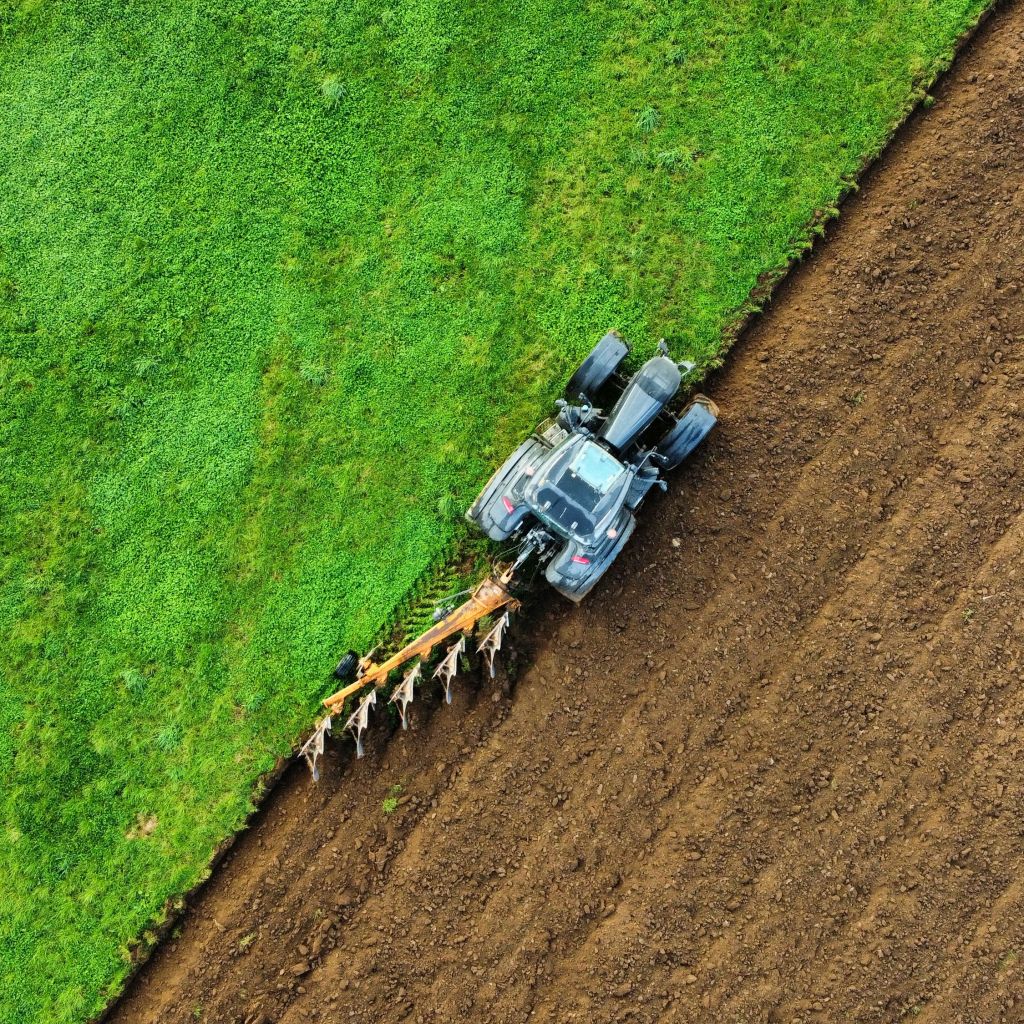
Photo by Florence Mathiot on Pexels
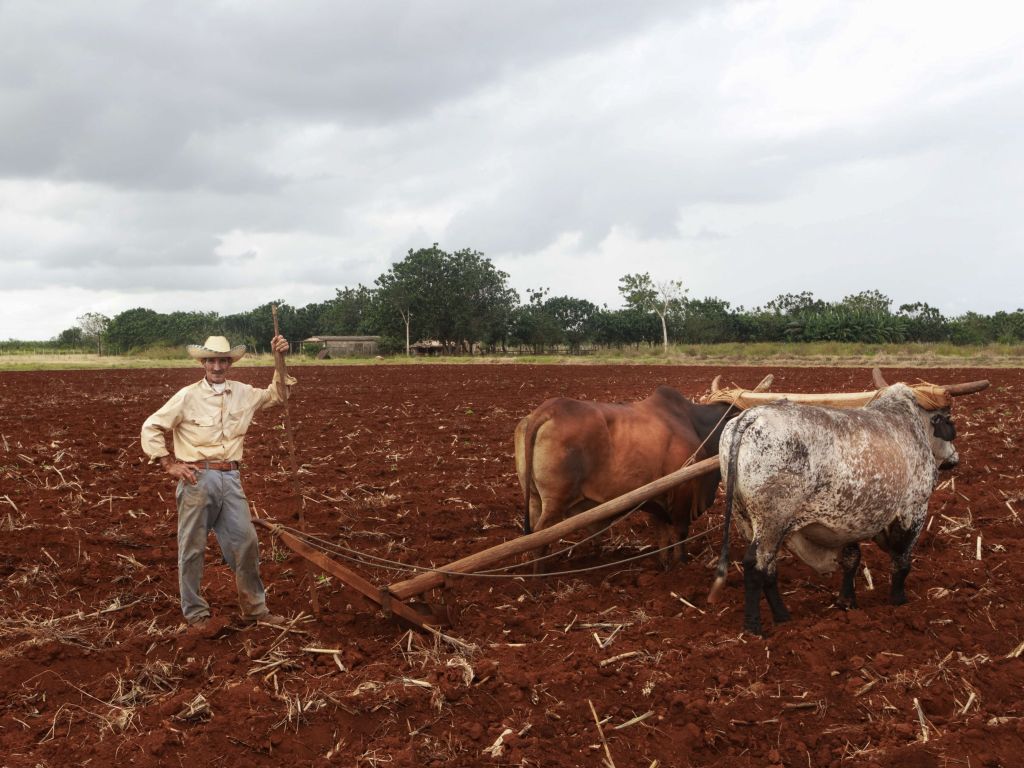
Photo by Mehmet Turgut Kirkgoz on Pexels

Deep Plowing: Fixing Hard Soil, Not an Every-Year Job

What it is: Deep plowing goes deeper than 50 cm (20 in), while ordinary plowing rarely goes past 20 cm (8 in). Wikipedia

Why farmers do it:

  • It breaks up compaction, which helps water movement, root growth and soil structure. azureedge
  • It is used where compacted layers, claypans or other restrictive layers keep roots from growing. usda
  • In one 35-year trial, deep plowed plots yielded about 10% more grain than unplowed plots. Wikipedia

How often? Rarely, and only when needed.

  • The USDA’s NRCS says deep tillage is done on an as-needed basis. usda
  • It is a corrective action, not a regular practice, and shouldn’t be done every season. Shallow tillage is the routine work. tractorgyan
  • I couldn’t find a reliable survey figure for how many farmers use it or how many years apart. Frequency depends on soil type, compaction and crop, so avoid stating a fixed number in your post.

Watch-outs:

  • Moisture: Work the soil when moisture is below 30–50% of field capacity at working depth. Wet soil can compact again. usda
  • Not always worth it: Canadian research found yield gains mostly where moisture limits yield, and little benefit where moisture is adequate or soils are coarse. csbe-scgab
  • Soil cost: It can bury organic matter, raise short-term erosion risk and release stored carbon. There is also a broader movement away from deep plowing. azureedgeWikipedia

Bottom line: Diagnose first (check for a compaction layer), then deep plow only where it will pay off.

Sources:

  • USDA NRCS, Conservation Practice Overview: Deep Tillage (Code 324): nrcs.usda.gov
  • USDA NRCS, Deep Tillage talking points: nrcs-prod.azureedge.us/sites/default/files/2026-02/deep-tillage-talking-points.docx
  • Bolton, Dirks & McDonnell, Canadian Agricultural Engineering (1981): library.csbe-scgab.ca
  • TractorGyan, “Deep tillage vs shallow tillage”: tractorgyan.com
  • Wikipedia, “Deep plowing” (cites the Soil Science Society of America Journal, 2008, 72(3): 677–682)

Keep Your Farm Moving

In agriculture, timing is everything. Planting, spraying, and harvest happen in narrow weather windows, and one broken PTO shaft or worn bearing can cost you a full day in the field, or worse, a full season’s yield.

Stay productive by staying ahead of failures:

  • Inspect regularly. Check shafts, bearings, belts, and blades before and during the season.
  • Replace early. Swap worn parts before they fail in the field.
  • Keep key spares on hand. A repair takes an hour, not a week.
  • Use quality parts. Durable components last longer under heavy loads and dust.

Every hour of uptime is an hour of work done. Maintenance isn’t an expense; it protects your yield and your bottom line.

The beautiful fall in Saskatchewan is the middle of the harvest season, which alerts farmers to begin preparing to store their tractors and combines for the winter. Lubrication of machinery and equipment is an important part of preventive maintenance that helps reduce machine downtime and lost time.